Source Eco Friendly Pet Salad Clamshells for Food Packaging
Find 30 verified eco friendly pet salad clamshells for food packaging, tableware, and household use. Compare FDA-certified PET options with customizable sizes, clear designs, and blister-molded freshness preservation features from China suppliers; compare the available evidence and request quotations based on your requirements.
Key considerations
Products List


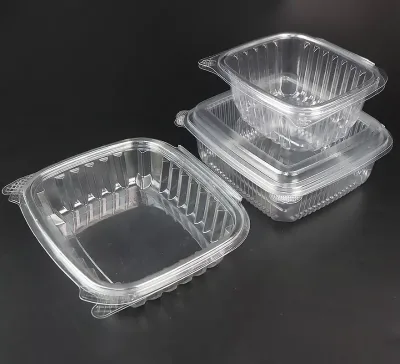

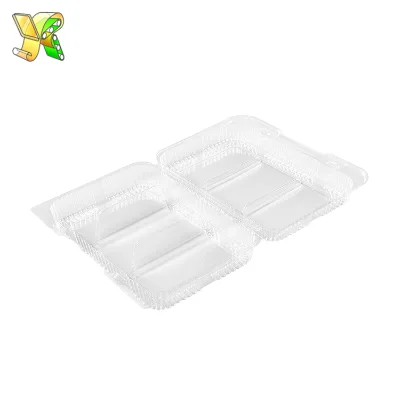


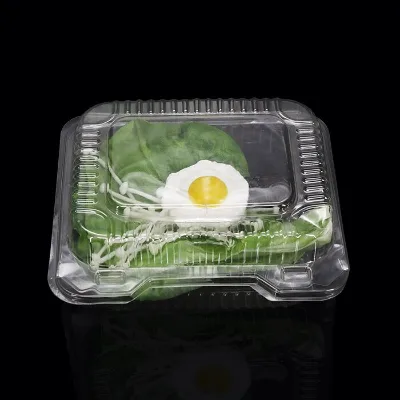


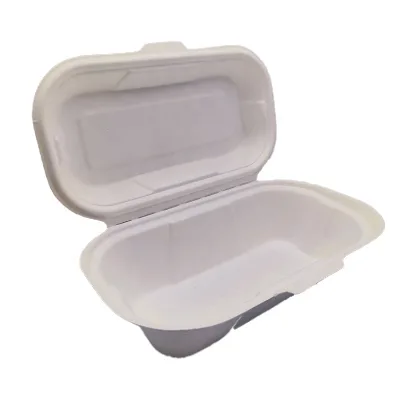
Comprehensive Sourcing Guide
Eco Friendly Pet Salad Clamshells Sourcing Guide
Procurement teams must first distinguish between generic plastic containers and those explicitly designed for fresh produce and salad applications. The observed market signals indicate a strong focus on PET and PLA materials, which are critical for maintaining the structural integrity of clamshell designs while offering a pathway to eco-friendly claims. Buyers should verify that the "eco-friendly" designation is backed by specific material composition data rather than vague marketing language, ensuring the product meets the intended sustainability goals for food service or retail packaging.
The product listings reveal a diverse range of customization options, including specific dimensions like 8oz to 48oz capacities and variable thicknesses ranging from 0.45mm to 0.5mm. This variability suggests that a single supplier may not offer a uniform solution for all needs, requiring buyers to carefully match their specific volume requirements with the manufacturer's production capabilities. Understanding these physical constraints is essential before initiating any dialogue, as the ability to customize size and shape directly impacts the final unit cost and logistical efficiency of the supply chain.
Product Scope and Observed Listing Signals
Buyers should analyze the observed price range of $0.02 to $3.21 to understand the significant variance driven by material quality and order volume. This wide spectrum often reflects the difference between standard PET options and more specialized PLA blends or those with added features like freshness preservation technology. It is crucial to correlate the listed price with the specific material type and thickness to avoid underestimating costs for high-performance, sustainable alternatives that may sit at the higher end of this observed range.
The minimum order quantities (MOQ) observed between 2,000 and 100,000 pieces indicate a market heavily skewed toward bulk procurement rather than small-batch testing. Suppliers frequently set thresholds such as 5,000 or 10,000 pieces, which can be a barrier for startups or those testing new product lines. Procurement strategies must account for these volume requirements by consolidating orders or negotiating sample terms, as the high MOQs are a standard commercial term for this specific category of disposable food containers.
Technical Specifications to Verify
Verification of material composition is the primary technical step, as listings explicitly mention PET and PLA as the core plastic types used. Buyers must confirm whether the specific order will utilize 100% recycled content, virgin resin, or a blend, as this distinction defines the product's environmental profile and recyclability. The presence of "blister" process types in the data suggests specific molding techniques that affect the clarity and rigidity of the final clamshell, which must be validated against the intended use case for salad or fruit trays.
Dimensional consistency and thickness are critical for stackability and protection during transit, with observed specifications ranging from 0.45mm to 0.5mm. Buyers should request physical samples to measure wall thickness and verify that the "custom" size claims align with standard industry volumes like 8oz or 48oz. Additionally, the hinge mechanism and latching system must be tested for durability, as the "hinged salad container" design relies on these features to maintain freshness preservation without compromising the structural integrity of the packaging.
Compliance and Safety Documentation
Food safety compliance is non-negotiable, with FDA certification appearing as a standard requirement for products intended for direct food contact. Buyers must ensure that the supplier provides valid, up-to-date FDA documentation for the specific resin and manufacturing facility, as this certification is the baseline for entering the US market. The presence of CE/EU certification in some listings further indicates that suppliers may be targeting multiple regulatory jurisdictions, requiring a thorough review of which specific standards apply to the destination market.
Beyond food safety, broader corporate social responsibility certifications such as ISO, BRC, BSCI, and SEDEX are frequently cited in the product data. These documents verify that the manufacturing process adheres to international standards for quality management and ethical labor practices. Procurement teams should request copies of these certificates to confirm that the supplier maintains a compliant supply chain, as these credentials are often prerequisites for large retailers and brands with strict sustainability and ethical sourcing mandates.
Cost Drivers and Commercial Terms
The unit cost is heavily influenced by the raw material market fluctuations for PET and PLA, which are subject to global commodity price changes. Buyers should anticipate that the lower end of the observed price range may correspond to standard PET with minimal customization, while the higher end likely reflects PLA content, custom printing, or specialized freshness preservation features. Understanding these cost drivers allows for more accurate budgeting and helps in negotiating price adjustments based on the specific material mix and order volume.
Lead times and sample availability are significant commercial factors, with observed sample times ranging from 1 to 5 days and production lead times varying by order size. Suppliers often cite a supply ability of 500,000 sets per month, but actual delivery schedules depend on current production capacity and the complexity of custom orders. Buyers must factor in these timelines when planning inventory, ensuring that the 5000-piece or 10000-piece MOQs can be met within the required delivery window without disrupting downstream operations.
Supplier Qualification and Quality Control
Supplier qualification should begin with a verification of their place of origin, with Guangdong, China, being a prominent hub for this manufacturing sector. Buyers must assess the supplier's logistical capabilities, including their port of dispatch, such as Shenzhen, to estimate shipping costs and transit times accurately. A supplier's ability to handle "corrugated box or pallet packing" as per request is also a key indicator of their flexibility and readiness to meet specific distribution requirements.
Quality control protocols must be established to ensure consistency across large production runs, particularly given the high MOQs involved. Buyers should implement a rigorous inspection plan that includes checking for defects in the hinge mechanism, verifying the clarity of the "clear" or "unicolor" finish, and confirming that the "two-sided" or "single" printing pages meet design specifications. Regular third-party inspections during production and pre-shipment are essential to mitigate the risk of receiving non-compliant or damaged goods.
Long-Term Procurement Checks
Sustainability claims require ongoing verification to ensure that the "eco-friendly" status remains valid as material formulations or supplier practices evolve. Buyers should establish a schedule for re-validating certifications and requesting updated test reports to confirm that the product continues to meet FDA, CE, and other relevant standards over time. This proactive approach prevents compliance gaps that could arise from changes in raw material sourcing or manufacturing processes.
Relationship management is vital for securing favorable terms and maintaining supply chain resilience in a market with high volume requirements. Buyers should maintain open communication channels to discuss potential volume increases, new customization needs, or shifts in material preferences toward more sustainable options. By treating the supplier as a strategic partner rather than a transactional vendor, procurement teams can better navigate market volatility and ensure a steady supply of high-quality, eco-friendly salad clamshells.
FAQs
What certifications do these eco friendly pet salad clamshells have?
These containers hold FDA and CE EU certifications for food safety. Some listings also include ISO, BRC, BSCI, and SEDEX certificates. This ensures compliance with international standards for food contact materials and manufacturing processes.
Can I customize the size and shape of these plastic containers?
Yes, customization is available for size and shape specifications. Buyers can request specific dimensions like 10x20cm or 20x20x7cm. The product model allows for tailored solutions to meet unique packaging requirements for food and household applications.
What is the minimum order quantity for these disposable plastic boxes?
The minimum order quantity ranges from 200 to 100,000 pieces depending on the supplier. Specific listings show MOQs of 5,000 or 10,000 pieces. Buyers should verify the exact threshold with the manufacturer before placing an order.
How long does it take to receive samples of these salad containers?
Sample delivery typically takes between 1 to 5 days. Some suppliers offer samples within 5 days, while others can provide them in 1 to 3 days. This allows buyers to quickly evaluate product quality before committing to larger orders.
Which materials are used to make these eco friendly food containers?
These containers are primarily made from PET or PLA plastic materials. The material is designed to be eco-friendly and suitable for food storage. They are often clear, rectangular, and feature freshness preservation capabilities for salads and fruits.
Where are these plastic salad clamshells manufactured and shipped from?
Products originate from Guangdong, China, with dispatch ports in Shenzhen. The manufacturing location ensures access to established supply chains. Buyers can expect shipping from major Chinese ports to international destinations for bulk orders.